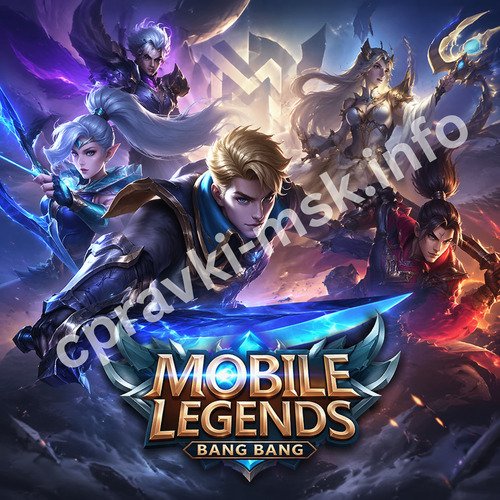
cpravki-msk.info – Mobile Legends: Bang Bang is a game that rewards preparation, adaptability, and strategic awareness. While many players are drawn to the excitement of fast-paced combat and powerful hero abilities, the true depth of the game becomes apparent when examining how different heroes influence every stage of a match. Each hero possesses unique characteristics that affect lane control, objective contests, team fights, and overall map pressure.
A common misconception among newer players is that winning depends solely on obtaining more kills than the opposing team. In reality, eliminations are only one piece of a much larger puzzle. Objectives, resource management, positioning, and teamwork often have a greater impact on determining the final result. Heroes function as tools within this system, and understanding how to use them effectively is one of the most important aspects of improving as a player.
The variety of heroes available in Mobile Legends ensures that every match presents new challenges. Some heroes thrive during aggressive early-game skirmishes, while others are designed to dominate during extended late-game battles. Certain heroes excel at protecting teammates, while others specialize in creating chaos among enemy ranks. Understanding these differences allows players to make smarter decisions and contribute more effectively to their team’s success.
As the competitive environment continues to evolve, players who focus on fundamental gameplay concepts often adapt more successfully than those who rely exclusively on specific heroes or temporary meta trends. Mastering hero roles, objective priorities, and strategic decision-making provides a foundation that remains valuable regardless of balance changes or new releases.
The Importance of Hero Roles in Building a Balanced Team
Every hero in Mobile Legends belongs to a role that determines their primary responsibilities. These roles help establish structure within a team and ensure that all essential functions are covered during a match.
Tank heroes serve as the frontline of most successful team compositions. Their durability and crowd control abilities allow them to absorb pressure while creating opportunities for teammates.
Heroes such as Tigreal, Atlas, Khufra, and Minotaur are known for their ability to initiate fights and disrupt enemy formations. A single well-executed crowd control ability can completely alter the outcome of an engagement by preventing opponents from reacting effectively.
However, playing a tank requires much more than simply surviving damage. Effective tank players constantly monitor enemy positions, evaluate threats, and determine the best moments to engage. Their decisions influence the pace of the game and often dictate how team fights unfold.
Vision control is another important aspect of tank gameplay. By scouting bushes and gathering information, tanks reduce uncertainty and help teammates move safely around the map. This information becomes especially valuable when preparing for objectives such as Turtle or Lord.
A strong tank creates opportunities that enable the rest of the team to perform at their highest level.
Fighter Heroes and Their Versatile Contributions
Fighters are among the most flexible heroes in Mobile Legends. Their combination of durability and offensive power allows them to excel in multiple situations.
Heroes like Yu Zhong, Arlott, Paquito, and Terizla frequently dominate side lanes while remaining effective during team fights. Their ability to pressure opponents independently creates strategic advantages that extend beyond direct combat.
One of the key strengths of fighters is their adaptability. Depending on the situation, they can act as secondary initiators, frontline bruisers, split pushers, or damage dealers. This flexibility makes them valuable assets throughout every stage of the match.
Successful fighter players understand how to balance aggression with patience. Overcommitting to fights can lead to unnecessary deaths, while passive play may waste opportunities to create pressure.
Learning when to join teammates and when to continue applying side-lane pressure is one of the most important skills for fighter specialists.
Marksman Heroes and Their Late-Game Impact
Marksmen are often considered the primary carry role because of their exceptional damage output during the late game. Their ability to consistently damage both heroes and objectives makes them central components of many team strategies.
Heroes such as Beatrix, Melissa, Claude, and Brody become increasingly dangerous as they acquire items and reach higher levels. However, their early-game vulnerability means that careful resource management is essential.
Marksman players must prioritize efficient farming while minimizing unnecessary risks. Every missed minion wave or avoidable death delays item progression and reduces future effectiveness.
Positioning remains the defining skill for marksman players. Remaining alive while dealing continuous damage requires awareness, patience, and a strong understanding of enemy threats.
When protected effectively by teammates, a fully developed marksman can become one of the most influential heroes on the battlefield.
Building Advantages Through Objectives and Map Awareness
While hero mechanics are important, Mobile Legends is ultimately a game about creating and maintaining advantages. Objectives and map control provide the framework through which these advantages are established.
The early game focuses on building a strong economic foundation. Gold and experience acquired during this phase determine how quickly heroes can reach important power spikes.
Efficient farming should always be a priority. Players who consistently collect resources while avoiding unnecessary deaths establish stronger positions for the mid and late game.
Different heroes approach the early game differently. Aggressive heroes may seek opportunities to pressure opponents and secure kills, while scaling heroes often focus on safe farming and gradual progression.
Understanding your hero’s strengths and weaknesses during this stage helps create more effective decision-making.
A strong early-game economy provides the resources necessary to contest future objectives and team fights successfully.
Turtle Control and Creating Momentum
The Turtle is one of the first major objectives available in a match. Securing it provides valuable rewards that accelerate team development and create momentum.
Successful Turtle contests begin before the objective actually spawns. Teams should establish vision, clear nearby lanes, and position themselves appropriately.
Many objective fights are won through preparation rather than mechanical execution. Arriving first and controlling the surrounding area often provides a significant advantage.
Teams that consistently secure Turtles frequently enjoy stronger item progression and greater map influence throughout the mid game.
The economic and strategic benefits of Turtle control make it one of the most important priorities during the early stages of a match.
Turret Destruction and Expanding Territorial Influence
Turrets play a critical role in determining map control. Destroying enemy structures expands safe areas for movement while restricting enemy options.
Outer turrets are particularly valuable because they open pathways into enemy territory. This increased access allows teams to invade jungle camps, establish deeper vision, and apply pressure more effectively.
Successful teams understand that objectives provide lasting value. While kills create temporary advantages, destroyed turrets continue to influence the game long after an engagement ends.
Converting successful fights into structural damage is one of the most effective ways to build long-term advantages.
As matches progress, team fights become increasingly important. Winning these engagements often determines which team gains control of critical objectives and ultimately secures victory.
Positioning and Maximizing Team Fight Efficiency
Positioning influences nearly every aspect of a team fight. Each role has specific positioning requirements that allow heroes to perform effectively while minimizing risk.
Tanks should control the frontline and absorb pressure. Fighters often pressure key targets and create disruption. Marksmen and mages focus on dealing damage from protected positions, while assassins search for opportunities to eliminate vulnerable enemies.
Maintaining proper spacing helps heroes avoid unnecessary danger while maximizing their contributions.
Strong positioning allows players to remain effective throughout extended engagements and increases overall team fight efficiency.
Adaptation and Strategic Flexibility
No two matches unfold exactly the same way. Different hero selections, player decisions, and objective outcomes create unique challenges that require adaptation.
Successful players remain flexible and adjust their strategies based on changing circumstances. This may involve altering item builds, changing positioning habits, or prioritizing different objectives.
Adaptability becomes increasingly important as players encounter stronger opponents who are capable of exploiting predictable behavior.
Learning to evaluate situations objectively and make adjustments accordingly is a hallmark of advanced gameplay.
Lord Control and Securing Victory
The Lord becomes the most important objective during the late stages of a match. Its ability to apply pressure across the map creates opportunities to break defensive structures and end games.
Securing the Lord requires preparation, vision control, and coordinated execution. Teams should ensure nearby lanes are managed properly before committing resources to the objective.
Once acquired, the Lord should be used strategically. Coordinating lane pressure and maintaining map control maximize its effectiveness and force opponents into difficult situations.
Many matches are decided by how effectively teams utilize the Lord and capitalize on the opportunities it creates.
Conclusion Mobile Legends Hero Breakdown: How Different Heroes Shape the Battlefield and Lead Teams to Victory
Mobile Legends is a complex and rewarding game where hero mastery, objective control, and strategic decision-making work together to determine success. Understanding how different heroes contribute to team compositions allows players to maximize their effectiveness and adapt to changing situations.
Whether controlling engagements as a tank, applying pressure as a fighter, carrying team fights as a marksman, or fulfilling any other role, every hero has the potential to influence the outcome of a match. Success comes from recognizing these strengths and applying them intelligently within the broader strategic framework of the game.
Players who focus on improving their understanding of hero roles, map awareness, objective priorities, and teamwork will continue to develop regardless of rank or experience level. By combining strong fundamentals with consistent practice, anyone can become a more effective competitor and achieve lasting success in Mobile Legends.